



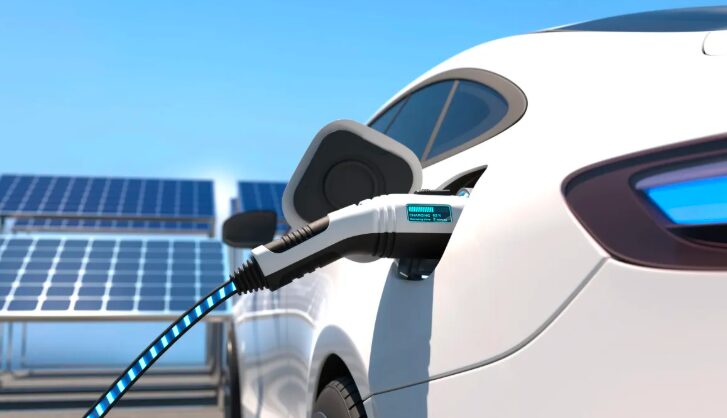
Electric vehicles and green technology are transforming the future of transportation and environmental sustainability. As concerns about climate change, fuel costs, and pollution continue to grow, governments and technology companies around the world are investing heavily in cleaner and smarter solutions. Electric vehicles (EVs) are becoming more popular because they produce fewer emissions, reduce dependence on fossil fuels, and support a more sustainable future.
In this article, we will explore the future of electric vehicles and green technology, including the latest innovations, benefits, challenges, and upcoming trends shaping the modern world.
What Are Electric Vehicles?
Electric vehicles are automobiles powered by electricity instead of traditional gasoline or diesel engines. These vehicles use rechargeable batteries and electric motors to operate.
There are different types of electric vehicles:
| Type of EV | Description |
|---|---|
| Battery Electric Vehicles (BEVs) | Fully powered by electricity |
| Hybrid Electric Vehicles (HEVs) | Use both fuel and electricity |
| Plug-in Hybrid Vehicles (PHEVs) | Rechargeable hybrids with electric driving capability |
Electric vehicles are becoming more common because they are energy-efficient and environmentally friendly.
Growing Demand for Electric Vehicles
The global demand for electric vehicles is increasing rapidly. Rising fuel prices, government incentives, and environmental awareness are encouraging more people to switch to EVs.
Some major reasons for EV growth include:
- Lower fuel costs
- Reduced air pollution
- Government tax benefits
- Improved battery technology
- Expansion of charging stations
Many countries are also planning to reduce or completely ban gasoline-powered vehicles in the future.
Advances in Battery Technology
Battery technology plays a major role in the future of electric vehicles. Modern EV batteries are becoming:
- Faster to charge
- Longer lasting
- More energy efficient
- More affordable
Solid-State Batteries
One of the biggest future innovations is solid-state battery technology. These batteries may offer:
- Longer driving range
- Improved safety
- Faster charging times
- Better battery lifespan
Researchers believe solid-state batteries could significantly improve electric vehicle performance in the coming years.
Expansion of Charging Infrastructure
Charging infrastructure is improving worldwide to support the increasing number of electric vehicles.
Modern charging innovations include:
Fast Charging Stations
Fast chargers can recharge EV batteries much quicker than traditional charging systems. Some modern chargers can provide significant battery power within minutes.
Wireless Charging
Wireless charging technology allows electric vehicles to charge without cables by using electromagnetic systems.
Solar-Powered Charging Stations
Some charging stations now use solar energy, making EV charging even more environmentally friendly.
Artificial Intelligence in Green Transportation
Artificial intelligence is helping improve electric vehicles and green transportation systems.
AI technology is used for:
- Smart navigation
- Battery management
- Traffic optimization
- Autonomous driving
- Predictive maintenance
AI can help drivers find charging stations, reduce energy consumption, and improve vehicle safety.
Self-Driving Electric Vehicles
Autonomous or self-driving electric vehicles are expected to become more common in the future. These vehicles use advanced sensors, cameras, and AI software to navigate roads with minimal human control.
Potential benefits include:
| Benefit | Explanation |
|---|---|
| Fewer accidents | Reduced human error |
| Better traffic flow | Smarter driving systems |
| Lower fuel waste | Efficient route planning |
| Improved accessibility | Easier transport for elderly and disabled people |
Although self-driving technology still faces regulatory and safety challenges, rapid progress is being made.
Green Technology Beyond Electric Vehicles
Green technology extends beyond transportation and includes various eco-friendly innovations designed to protect the environment.
Examples include:
- Renewable energy systems
- Solar panels
- Wind energy
- Smart grids
- Energy-efficient buildings
These technologies help reduce carbon emissions and support sustainable living.
Renewable Energy and Electric Vehicles
The future of electric vehicles is closely connected to renewable energy. Charging EVs using clean energy sources makes transportation even more sustainable.
Common renewable energy sources include:
- Solar energy
- Wind energy
- Hydropower
- Geothermal energy
Many homeowners are now installing solar panels to charge electric vehicles at home.
Environmental Benefits of Electric Vehicles
Electric vehicles offer several environmental advantages compared to traditional fuel-powered cars.
Reduced Carbon Emissions
EVs produce fewer greenhouse gas emissions, helping reduce global warming.
Improved Air Quality
Electric vehicles help decrease harmful air pollution in cities.
Lower Noise Pollution
EVs operate more quietly than gasoline vehicles, reducing noise pollution in urban areas.
Challenges Facing Electric Vehicles
Despite their advantages, electric vehicles still face certain challenges.
High Initial Cost
Some EVs remain more expensive than traditional cars due to battery costs.
Limited Charging Infrastructure
In some areas, charging stations are still limited.
Charging Time
Although charging technology is improving, charging an EV can still take longer than refueling a gasoline car.
Battery Recycling
Managing and recycling used EV batteries remains an important environmental concern.
Government Support and Policies
Many governments are supporting green technology and electric vehicle adoption through:
- Tax incentives
- EV subsidies
- Investment in charging networks
- Emission regulations
These policies encourage manufacturers and consumers to transition toward cleaner transportation options.
Smart Cities and Sustainable Transportation
Future smart cities are expected to rely heavily on green transportation systems.
Features of smart transportation may include:
- Electric public transport
- Smart traffic systems
- Shared mobility services
- Eco-friendly infrastructure
These systems can help reduce traffic congestion and environmental pollution.
Future Trends in Green Technology
The future of green technology is expected to include many exciting developments.
Hydrogen-Powered Vehicles
Hydrogen fuel cell vehicles may become an alternative clean transportation option.
Advanced Recycling Systems
Improved recycling technologies will help manage batteries and electronic waste more efficiently.
Energy Storage Innovations
Better energy storage systems will support renewable energy and improve electricity management.
Smart Energy Management
AI-powered energy systems will optimize power consumption in homes, industries, and transportation.
Conclusion
The future of electric vehicles and green technology looks highly promising. Advances in battery technology, renewable energy, artificial intelligence, and sustainable transportation are helping create a cleaner and more efficient world. Electric vehicles are becoming more affordable, practical, and environmentally friendly, encouraging wider adoption across the globe.
Although challenges such as charging infrastructure and battery recycling still exist, ongoing innovation and government support are accelerating progress. As green technology continues to evolve, it will play a major role in reducing pollution, conserving energy, and building a more sustainable future for generations to come.