



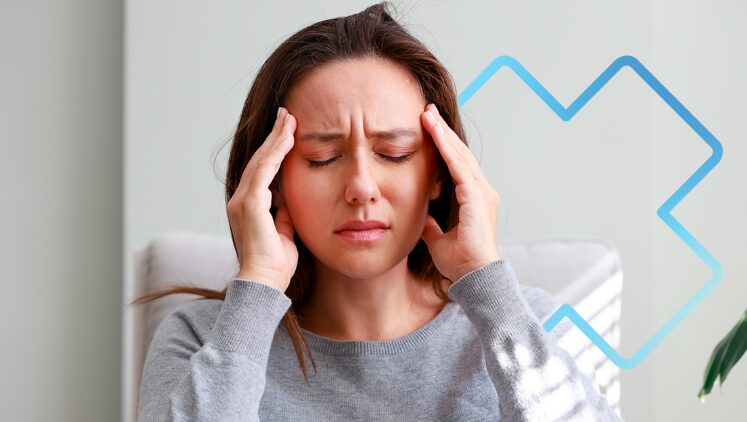
Headaches are one of the most common health problems experienced by people of all ages. They can range from mild discomfort to severe pain that affects daily activities, concentration, and overall quality of life. While some headaches are temporary and harmless, others may be linked to underlying health conditions or lifestyle habits.
Understanding the common causes of headaches and learning how to prevent them can help reduce their frequency and improve overall well-being. In many cases, simple lifestyle changes may help prevent headaches naturally.
What Is a Headache?
A headache is pain or discomfort in the head, scalp, face, or neck area. The pain may feel sharp, throbbing, dull, or pressure-like depending on the type of headache.
Headaches are generally divided into two main categories:
| Type | Description |
|---|---|
| Primary Headaches | Not caused by another medical condition |
| Secondary Headaches | Result from an underlying illness or issue |
Common primary headaches include tension headaches, migraines, and cluster headaches.
Tension Headaches
Tension headaches are the most common type of headache. They often cause a dull, aching pain or a feeling of pressure around the forehead or back of the head.
Common Triggers
- Stress and anxiety
- Poor posture
- Lack of sleep
- Eye strain
- Muscle tension
Prevention Tips
- Practice stress management techniques
- Maintain good posture
- Take regular breaks from screens
- Get enough sleep
- Stretch neck and shoulder muscles regularly
Migraines
Migraines are intense headaches that may cause throbbing pain, usually on one side of the head. They can last for hours or even days and may be accompanied by nausea, vomiting, or sensitivity to light and sound.
Common Migraine Triggers
| Trigger | Explanation |
|---|---|
| Hormonal changes | Especially during menstruation |
| Certain foods | Processed foods, chocolate, caffeine |
| Stress | Emotional or physical stress |
| Bright lights | Light sensitivity may trigger migraines |
| Lack of sleep | Irregular sleep patterns |
How to Prevent Migraines
- Identify and avoid personal triggers
- Stay hydrated
- Maintain a regular sleep schedule
- Eat balanced meals regularly
- Reduce stress through relaxation techniques
Dehydration Headaches
Not drinking enough water can lead to dehydration headaches. When the body lacks fluids, blood vessels may temporarily narrow, reducing blood and oxygen flow to the brain.
Signs of Dehydration
- Dry mouth
- Dark urine
- Fatigue
- Dizziness
- Increased thirst
Prevention
Drinking enough water throughout the day is one of the best ways to prevent dehydration headaches. Fluid intake may need to increase during hot weather or physical activity.
Sinus Headaches
Sinus headaches occur when the sinus cavities become inflamed due to allergies, infections, or colds.
Symptoms
- Pressure around the eyes, cheeks, or forehead
- Nasal congestion
- Facial pain
- Fever in some cases
Prevention Tips
- Treat allergies promptly
- Stay hydrated
- Use a humidifier if air is dry
- Avoid exposure to irritants such as smoke
Eye Strain and Screen-Related Headaches
Long periods of reading, computer work, or screen use can strain the eyes and lead to headaches.
Common Causes
- Excessive screen time
- Poor lighting
- Incorrect eyeglass prescription
- Lack of breaks during work
Prevention Methods
- Follow the 20-20-20 rule
- Adjust screen brightness
- Use proper lighting
- Get regular eye exams
The 20-20-20 rule means looking at something 20 feet away for 20 seconds every 20 minutes.
Sleep-Related Headaches
Poor sleep quality or lack of sleep can trigger headaches. Both insufficient sleep and oversleeping may contribute to head pain.
Sleep Habits That May Cause Headaches
- Irregular sleep schedule
- Sleep deprivation
- Poor sleeping posture
- Sleep disorders such as sleep apnea
Prevention Tips
- Sleep 7–9 hours each night
- Maintain a consistent sleep schedule
- Create a comfortable sleep environment
- Avoid caffeine late in the evening
Stress and Anxiety
Stress is one of the leading causes of headaches. Emotional tension may tighten muscles in the neck and scalp, leading to pain.
Stress-Related Symptoms
| Symptom | Possible Effect |
|---|---|
| Muscle tension | Head and neck pain |
| Poor sleep | Increased headache risk |
| Anxiety | Trigger for migraines |
| Fatigue | Lower pain tolerance |
Ways to Reduce Stress
- Meditation
- Deep breathing exercises
- Regular physical activity
- Spending time outdoors
- Relaxation techniques
Caffeine-Related Headaches
Caffeine can both help and trigger headaches. Too much caffeine or sudden caffeine withdrawal may cause headaches in some people.
Prevention
- Limit excessive caffeine intake
- Avoid suddenly stopping caffeine
- Drink water regularly
Moderation is important when consuming coffee, tea, energy drinks, or caffeinated sodas.
Headaches Caused by Poor Diet
Skipping meals or eating unhealthy foods may trigger headaches due to changes in blood sugar levels.
Common Dietary Triggers
- Processed foods
- Sugary snacks
- Artificial sweeteners
- Alcohol
- Excess salt
Healthy Eating Tips
- Eat meals regularly
- Include fruits and vegetables in the diet
- Avoid excessive processed foods
- Maintain stable blood sugar levels
When Headaches May Be Serious
Although most headaches are harmless, some may require medical attention.
Seek Medical Help If Headaches Include:
- Sudden severe pain
- Vision problems
- Weakness or numbness
- Difficulty speaking
- High fever
- Head injury
- Persistent vomiting
These symptoms may indicate a more serious medical condition.
Natural Ways to Help Prevent Headaches
Healthy lifestyle habits may help reduce headache frequency naturally.
Helpful Prevention Strategies
- Stay hydrated
- Exercise regularly
- Manage stress effectively
- Maintain healthy sleep habits
- Reduce screen time when possible
- Eat balanced meals
- Avoid known headache triggers
Keeping a headache diary may also help identify patterns and triggers.
Conclusion
Headaches can occur for many reasons, including stress, dehydration, lack of sleep, poor diet, eye strain, and underlying medical conditions. While most headaches are temporary, recurring or severe headaches may interfere with daily life and require medical attention.
Understanding the common causes of headaches and making healthy lifestyle changes can help reduce their frequency and severity. Staying hydrated, managing stress, sleeping well, and maintaining balanced nutrition are important steps in headache prevention and overall health.